


What is Bitcoin?: Unveiling the Future of Digital Currency
Meta Description: Discover the future of digital currency with Bitcoin. Learn its history, benefits, and how to get started with Bitcoin today.
Introduction
In a world increasingly driven by digital innovation, Bitcoin stands out as a revolutionary force reshaping the landscape of finance and technology. As the first and most renowned cryptocurrency, Bitcoin has sparked a global movement towards decentralized and digital currencies. This article delves into the fascinating journey of Bitcoin, exploring its origins, workings, and its profound impact on the future of money.
Understanding Bitcoin
What is Bitcoin?
Bitcoin is a decentralized digital currency that allows for peer-to-peer transactions without the need for intermediaries such as banks or governments. Created in 2009 by an anonymous entity known as Satoshi Nakamoto, Bitcoin operates on a decentralized network using blockchain technology, which ensures transparency, security, and immutability.
How Bitcoin Works: Blockchain Technology
At the heart of Bitcoin lies blockchain technology, a decentralized ledger that records all transactions across a network of computers. Each transaction is grouped into a block, which is then added to a chain of previous blocks, creating a continuous, unalterable record. This decentralized nature ensures that no single entity has control over the entire network, enhancing security and reducing the risk of fraud.
Key Features and Benefits of Bitcoin
Bitcoin boasts several unique features that set it apart from traditional currencies:
Decentralization: Bitcoin operates without a central authority, reducing the risk of manipulation and control by any single entity.
Transparency: All Bitcoin transactions are recorded on a public ledger, providing transparency and accountability.
Security: Advanced cryptographic techniques protect Bitcoin transactions, making them highly secure and resistant to hacking.
Limited Supply: Bitcoin’s supply is capped at 21 million coins, ensuring scarcity and potentially enhancing its value over time.
Why Bitcoin Matters
Advantages of Using Bitcoin
Bitcoin offers numerous advantages over traditional currencies and payment systems:
Lower Transaction Fees: Bitcoin transactions often have lower fees compared to traditional banking and payment services, especially for international transfers.
Faster Transactions: Bitcoin enables quicker cross-border transactions, bypassing the delays associated with traditional banking systems.
Financial Inclusion: Bitcoin provides access to financial services for individuals in regions with limited banking infrastructure, fostering greater economic inclusion.
Impact of Bitcoin on Global Finance and Economy
Bitcoin has significantly impacted the global financial system, introducing new paradigms and opportunities:
Disruption of Traditional Banking: By enabling peer-to-peer transactions, Bitcoin challenges the traditional banking model, reducing reliance on intermediaries.
Investment Opportunities: Bitcoin has emerged as a viable investment asset, attracting both retail and institutional investors seeking to diversify their portfolios.
Monetary Policy: Bitcoin’s fixed supply contrasts with traditional fiat currencies, which can be subject to inflationary pressures due to central bank policies.
Potential Future Trends for Bitcoin
As Bitcoin continues to evolve, several trends are likely to shape its future:
Increased Adoption: Growing acceptance by businesses, financial institutions, and consumers will drive Bitcoin’s mainstream adoption.
Regulatory Developments: Governments and regulatory bodies are increasingly focusing on Bitcoin, which may lead to clearer regulatory frameworks.
Technological Advancements: Innovations in blockchain technology and scalability solutions will enhance Bitcoin’s efficiency and usability.
Getting Started with Bitcoin
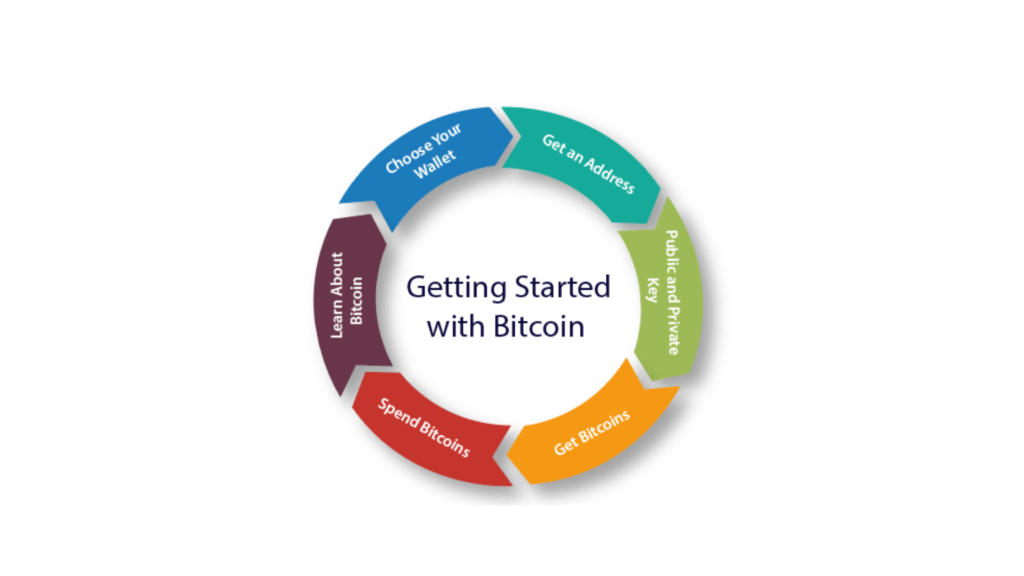
Setting Up a Bitcoin Wallet
A Bitcoin wallet is essential for storing, sending, and receiving Bitcoin. Wallets come in various forms, including software wallets, hardware wallets, and online wallets. To set up a wallet, follow these steps:
Choose a Wallet Type: Select a wallet based on your needs and security preferences.
Install the Wallet: Download and install the wallet software on your device or set up an account with an online wallet provider.
Secure Your Wallet: Implement security measures such as strong passwords, two-factor authentication, and backup phrases.
Buying Bitcoin: Exchanges and Platforms
Purchasing Bitcoin involves selecting a reputable exchange or platform that facilitates Bitcoin transactions. Popular exchanges include:
Coinbase: A user-friendly platform for buying, selling, and storing Bitcoin.
Binance: Known for its extensive range of cryptocurrencies and advanced trading features.
Kraken: Offers robust security and a wide variety of cryptocurrencies for trading.
To buy Bitcoin, follow these steps:
Create an Account: Sign up on your chosen exchange and complete the verification process.
Deposit Funds: Add funds to your account using a bank transfer, credit card, or other payment methods.
Buy Bitcoin: Navigate to the Bitcoin trading section and place an order to purchase Bitcoin.
Storing and Securing Your Bitcoin
Proper storage and security are crucial to protect your Bitcoin from theft and loss. Consider the following tips:
Use Hardware Wallets: Hardware wallets store Bitcoin offline, providing enhanced security against hacking.
Backup Your Wallet: Regularly back up your wallet to prevent loss of access due to device failure or other issues.
Enable Security Features: Utilize security features such as two-factor authentication and strong passwords to safeguard your wallet.
Using Bitcoin in Everyday Life
Practical Applications of Bitcoin
Bitcoin’s versatility allows it to be used in various everyday scenarios:
Online Purchases: Many online retailers and service providers accept Bitcoin as payment.
Travel and Accommodation: Some travel agencies and hotels accept Bitcoin for bookings and payments.
Remittances: Bitcoin enables fast and cost-effective international remittances, benefiting individuals and businesses alike.
Spending and Receiving Bitcoin
To spend Bitcoin, ensure the recipient accepts Bitcoin payments and follow these steps:
Initiate a Transaction: Open your Bitcoin wallet and select the option to send Bitcoin.
Enter Recipient Details: Input the recipient’s Bitcoin address and the amount to be sent.
Confirm the Transaction: Review the transaction details and confirm to complete the transfer.
To receive Bitcoin, provide your Bitcoin address to the sender and monitor your wallet for the incoming transaction.
Bitcoin as an Investment Opportunity
Bitcoin has gained popularity as an investment asset due to its potential for high returns. However, it also carries significant risks due to its volatility. Consider these strategies:
Long-Term Holding: Many investors adopt a “buy and hold” strategy, expecting Bitcoin’s value to appreciate over time.
Diversification: Diversify your investment portfolio by including Bitcoin alongside traditional assets such as stocks and bonds.
Risk Management: Implement risk management strategies, such as setting stop-loss orders and investing only what you can afford to lose.
Conclusion
Bitcoin represents a groundbreaking innovation in the realm of digital currency, offering a decentralized, secure, and transparent alternative to traditional financial systems. As Bitcoin continues to gain traction and evolve, it holds the potential to revolutionize various aspects of our economic and financial lives. Embracing Bitcoin today could pave the way for a more inclusive and efficient financial future.
FAQs
How does Bitcoin work?
Bitcoin works through blockchain technology, where transactions are recorded on a decentralized ledger. Each transaction is grouped into a block, and these blocks are linked together in a chain, creating an immutable record.
What are the advantages of using Bitcoin?
Bitcoin offers lower transaction fees, faster cross-border transactions, and greater financial inclusion. It also provides a decentralized and transparent alternative to traditional banking systems.
How can I buy Bitcoin?
You can buy Bitcoin through cryptocurrency exchanges like Coinbase, Binance, and Kraken. The process involves creating an account, depositing funds, and placing an order to purchase Bitcoin.
Is Bitcoin a good investment?
Bitcoin can be a good investment due to its potential for high returns, but it also carries risks due to its volatility. Diversifying your portfolio and implementing risk management strategies are recommended.
How do I secure my Bitcoin?
Secure your Bitcoin by using hardware wallets, backing up your wallet regularly, and enabling security features such as two-factor authentication and strong passwords.