


The Importance of an Emergency Fund: Why Every Indian Needs One
Introduction
An emergency fund is a critical component of personal finance, acting as a financial safety net that helps individuals manage unexpected expenses without derailing their long-term financial goals. In the ever-changing economic landscape of India, having an emergency fund is not just advisable; it’s essential for ensuring financial stability and security. This article explores why an emergency fund is crucial for every Indian, detailing its benefits, how to calculate the appropriate amount, and practical tips for building one.
Understanding the Need for an Emergency Fund
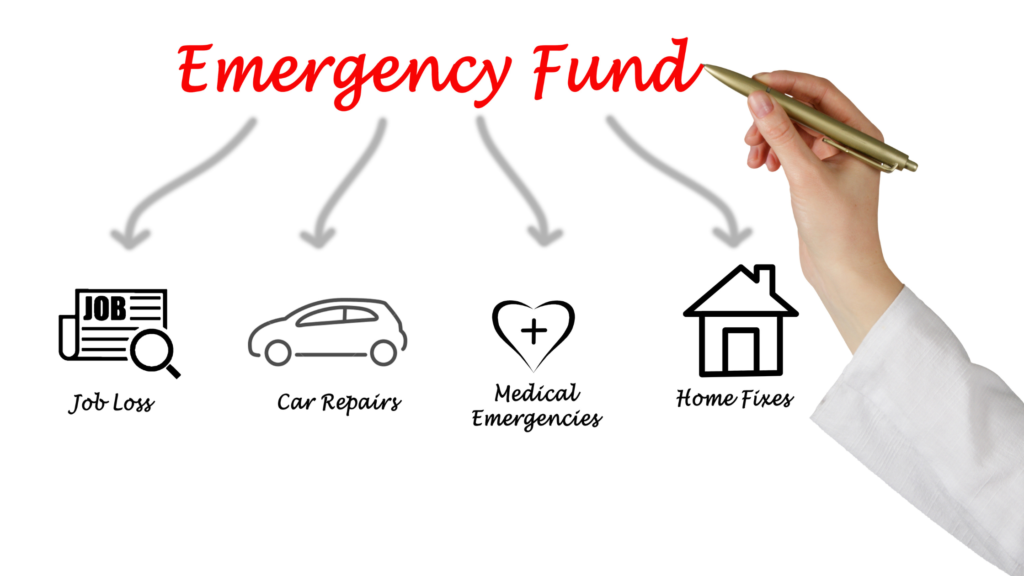
Life is unpredictable, and unexpected expenses can arise at any time. Whether it’s a medical emergency, sudden car repairs, job loss, or home repairs, these unforeseen costs can have a significant financial impact if you’re not prepared.
Common Unexpected Expenses
Medical emergencies are among the most frequent and costly unexpected expenses. Even with health insurance, out-of-pocket costs can be substantial. Car repairs and home maintenance are other common issues that can strain finances. Furthermore, job loss or a significant reduction in income can disrupt financial stability, making it difficult to cover everyday expenses.
Financial Impact of Unpreparedness
Without an emergency fund, individuals and families may resort to high-interest loans or credit cards to cover these unexpected costs, leading to increased debt and financial stress. The lack of a financial buffer can also force individuals to dip into their savings or investments, potentially derailing their long-term financial plans and goals.

Benefits of Having an Emergency Fund
An emergency fund provides numerous benefits that enhance financial security and peace of mind.
Peace of Mind
Knowing you’re financially prepared for emergencies can significantly reduce stress and anxiety. This peace of mind allows you to focus on other aspects of your life without constantly worrying about potential financial crises.
Avoiding Debt
With an emergency fund in place, you can avoid resorting to high-interest loans or credit cards in times of crisis. This helps in maintaining financial health by preventing debt accumulation and high-interest payments.
Covering Essential Expenses
An emergency fund enables you to cover essential expenses, such as rent, groceries, and utility bills, without disrupting your long-term financial goals. It provides a financial cushion that allows you to manage your finances more effectively during tough times.
Financial Resilience
Having an emergency fund enhances your financial resilience, making it easier to weather economic downturns and personal financial crises. It ensures that you have the resources to handle unexpected expenses without jeopardizing your financial stability.
How to Calculate Your Emergency Fund Amount
Determining the right amount for your emergency fund depends on various factors, including your monthly expenses, income stability, and individual risk factors. Here’s a step-by-step guide to help you calculate the appropriate amount:
Assess Monthly Expenses
Start by calculating your monthly living expenses, including rent or mortgage payments, utilities, groceries, transportation, insurance, and other essential costs. This gives you a baseline for the amount you need to cover your basic living expenses.
Evaluate Income Stability
Consider the stability of your income. If you have a stable job with a steady income, you may need a smaller emergency fund compared to someone with a variable income or who is self-employed. Aim to cover at least three to six months of living expenses, with higher amounts for those with less stable incomes.
Account for Risk Factors
Assess your personal risk factors, such as health conditions, dependents, and potential job market volatility in your field. Higher risk factors may necessitate a larger emergency fund to ensure you’re adequately prepared for unexpected events.
Calculate the Total Amount
Based on your monthly expenses, income stability, and risk factors, calculate the total amount needed for your emergency fund. For most people, a fund covering three to six months of living expenses is sufficient, but adjusting this amount based on your specific circumstances is crucial.
Tips for Saving and Building Your Emergency Fund
Building an emergency fund requires disciplined saving and smart financial planning. Here are some practical tips to help you save effectively:
Set Specific Savings Goals
Define clear savings goals for your emergency fund. Determine the total amount you need and set incremental targets to achieve it. Breaking down the goal into manageable milestones makes the process less daunting and more achievable.
Create a Budget
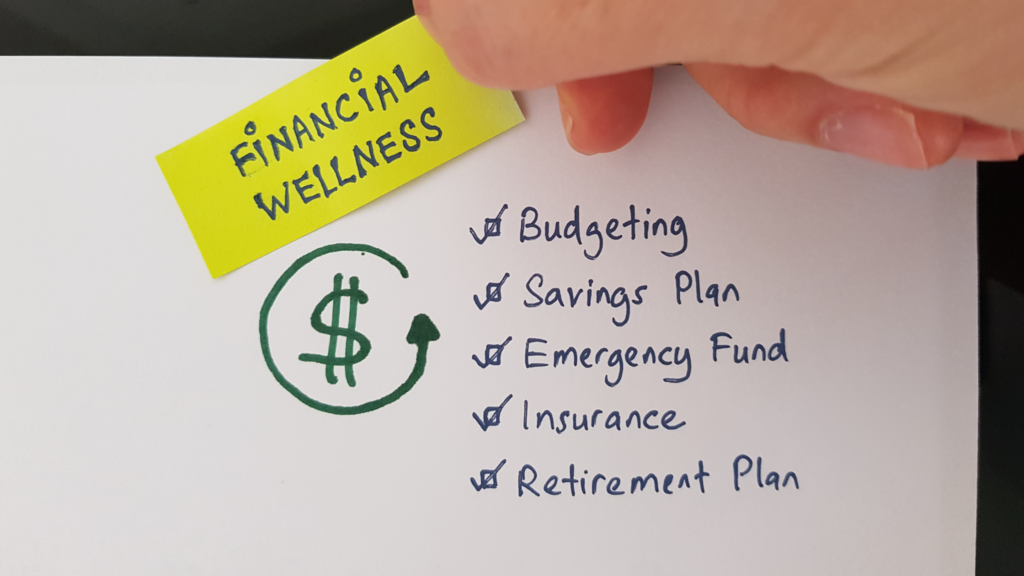
Establish a budget to track your income and expenses. Identify areas where you can cut unnecessary expenses and allocate those savings toward your emergency fund. A well-structured budget is key to consistent and effective saving.
Automate Savings Contributions
Automate your savings by setting up regular transfers from your checking account to your emergency fund. This ensures that you consistently contribute to your fund without the temptation to spend the money elsewhere.
Consider High-Yield Savings Accounts
Place your emergency fund in a high-yield savings account or other low-risk investment options. This not only keeps your funds accessible but also allows your savings to grow with interest over time, enhancing your financial security.
Overcoming Common Obstacles
Building an emergency fund can be challenging, especially with obstacles such as low income, high expenses, and lack of discipline. Here are strategies to overcome these challenges:
Addressing Low Income
For individuals with low income, saving can be particularly difficult. Start by setting smaller, more achievable savings goals. Any amount saved is better than none, and even modest contributions can add up over time.
Managing High Expenses
Identify and eliminate unnecessary expenses. Prioritize essential costs and look for ways to reduce spending in other areas. Simple changes, like cooking at home instead of eating out, can free up funds for your emergency savings.
Improving Discipline
Stay committed to your savings goals by maintaining a clear focus on the benefits of having an emergency fund. Use visual aids, such as a savings tracker, to monitor your progress and keep yourself motivated.

Real-Life Examples and Success Stories
Hearing from others who have successfully built and utilized their emergency funds can be incredibly motivating. Here are a few real-life examples of how an emergency fund has made a difference:
Example 1: Medical Emergency
Anita, a 35-year-old teacher from Mumbai, faced an unexpected medical emergency when she was diagnosed with a serious illness. Thanks to her well-maintained emergency fund, she could cover her medical expenses without resorting to loans or depleting her savings. This financial cushion allowed her to focus on recovery without the added stress of financial worries.
Example 2: Job Loss
Ravi, a 40-year-old software engineer, lost his job during an economic downturn. His emergency fund provided the financial support he needed to cover his living expenses while he searched for new employment. This fund not only kept him afloat but also allowed him to take his time to find a suitable job without compromising his financial stability.
Example 3: Car Repairs
Priya, a 28-year-old marketing professional, encountered a major car breakdown that required costly repairs. Her emergency fund covered the repair costs, preventing her from incurring high-interest credit card debt. Having this financial safety net gave her peace of mind and maintained her financial health.
Conclusion
An emergency fund is an indispensable part of personal finance, offering financial security and peace of mind in times of unexpected crises. Every Indian should prioritize building an emergency fund to safeguard against unforeseen expenses and ensure financial stability. Start by assessing your needs, setting specific savings goals, and consistently contributing to your fund. By doing so, you can take control of your financial future and confidently navigate life’s uncertainties.
FAQs
How much should I save in my emergency fund?
It’s recommended to save enough to cover three to six months of living expenses. The exact amount depends on your monthly expenses, income stability, and personal risk factors.
Why is an emergency fund important?
An emergency fund provides financial security and peace of mind, helping you manage unexpected expenses without resorting to debt or disrupting your long-term financial goals.
How can I start building an emergency fund with a low income?
Start by setting smaller, achievable savings goals. Prioritize essential expenses, reduce unnecessary costs, and consistently save a portion of your income, no matter how small.
Where should I keep my emergency fund?
Place your emergency fund in a high-yield savings account or other low-risk investment options that provide easy access and allow your savings to grow over time.
What are some common obstacles to building an emergency fund, and how can I overcome them?
Common obstacles include low income, high expenses, and lack of discipline. Overcome these challenges by setting realistic goals, creating a budget, automating savings, and staying committed to your financial priorities.