


The Ultimate Guide to Income Tax in India: Everything You Need to Know
Introduction
Income tax is an essential aspect of the financial landscape in India, playing a pivotal role in the country’s economy. Understanding income tax is not just about fulfilling legal obligations; it’s also a means to manage personal finances more efficiently and make informed investment decisions. This comprehensive guide will walk you through every crucial aspect of income tax in India, ensuring you have the knowledge to navigate the tax system confidently.
Understanding Income Tax Basics
What is Income Tax and Its Significance
Income tax is a direct tax levied on the income of individuals, corporations, and other entities. It is one of the primary sources of revenue for the government, used to fund various public services and infrastructure projects. Paying income tax is not only a legal requirement but also a civic duty that contributes to the nation’s development.
Who is Liable to Pay Income Tax in India
In India, anyone earning above a certain threshold is required to pay income tax. This includes individuals, Hindu Undivided Families (HUFs), firms, companies, associations of persons (AOPs), bodies of individuals (BOIs), and local authorities. Residents are taxed on their global income, whereas non-residents are taxed only on income earned within India.
Overview of Income Tax Slab Rates and Categories
Income tax rates in India are categorized into different slabs based on the income level of the taxpayer. The rates vary for individuals below 60 years, senior citizens (60-80 years), and super senior citizens (above 80 years). Additionally, there are separate slab rates for different types of taxpayers, such as companies and firms. Understanding these slabs is crucial for accurate tax computation and compliance.
Types of Income

Salary Income
Salary income includes wages, pensions, annuities, and gratuities. It is taxed based on the total salary received, after allowing for standard deductions and exemptions. The employer typically deducts Tax Deducted at Source (TDS) from the salary before payment.
Income from House Property
This refers to income generated from owning property, whether it’s rented out or deemed to be let out. The net annual value of the property, after deductions for municipal taxes and standard deductions, is taxed under this head.
Capital Gains
Capital gains arise from the sale of capital assets like real estate, stocks, or mutual funds. They are classified into short-term and long-term gains, with different tax rates and exemptions applicable to each.
Income from Business or Profession
This includes profits earned from business activities or professional services. Taxpayers can claim various expenses as deductions, reducing their taxable income under this head.
Other Sources
Income from other sources includes interest from savings accounts, fixed deposits, dividends, winnings from lotteries, and gifts. Each type of income has specific rules for taxation and exemptions.
Income Tax Deductions and Exemptions

Overview of Various Deductions Available
Income tax laws provide several deductions to reduce the taxable income, encouraging savings and investments. Some key deductions include:
- Section 80C: Deductions for investments in instruments like PPF, EPF, life insurance premiums, and ELSS.
- Section 80D: Deductions for medical insurance premiums.
- Section 80G: Deductions for donations to specified charitable institutions.
- Section 24(b): Deductions on home loan interest.
Explanation of Exemptions for Specific Investments, Expenses, and Allowances
Certain incomes are exempt from tax, such as agricultural income, allowances like house rent allowance (HRA), and specific reimbursements. Understanding these exemptions helps in effective tax planning and reducing tax liability.
Filing Income Tax Returns
Step-by-Step Guide to Filing Income Tax Returns Online
Filing income tax returns (ITR) is a mandatory annual activity for taxpayers. The process involves:
- Registering on the Income Tax e-filing Portal: Create an account or log in using your PAN.
- Selecting the Appropriate ITR Form: Choose the correct form based on your income sources and status.
- Gathering Necessary Documents: Collect Form 16, TDS certificates, interest certificates, and investment proofs.
- Filling the ITR Form: Enter details accurately, including income, deductions, and taxes paid.
- Verifying the Return: Use methods like Aadhaar OTP, net banking, or sending a signed physical copy to the CPC office.
Overview of Income Tax Filing Deadlines
Timely filing of returns is crucial to avoid penalties. Typically, the deadline for individuals is July 31st of the assessment year, while it may vary for businesses and those requiring audits. Extensions are occasionally granted, but it’s best to adhere to the original deadlines.
Tips for Tax Planning and Savings
Strategies for Tax Planning to Minimize Tax Liability Legally
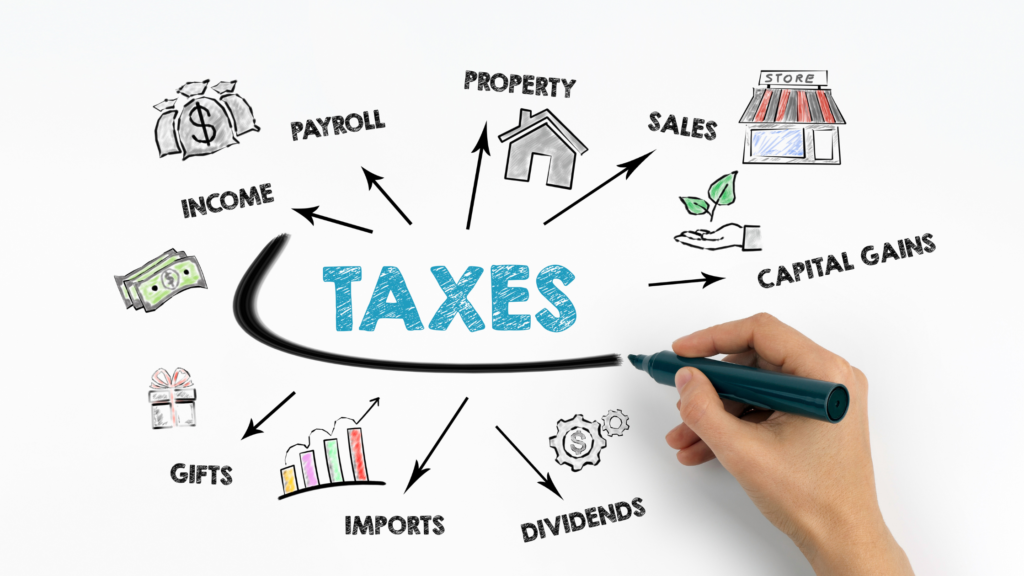
Effective tax planning involves strategically utilizing deductions, exemptions, and investments to minimize taxable income. Some strategies include:
- Maximizing Section 80C Investments: Invest in a combination of instruments like PPF, NSC, and ELSS.
- Utilizing Health Insurance: Take advantage of Section 80D for medical insurance premiums.
- Claiming Home Loan Benefits: Use Sections 24(b) and 80EE for home loan interest and principal repayments.
Advice on Utilizing Tax-Saving Investment Options Effectively
Investing in tax-saving instruments not only reduces tax liability but also helps build a financial corpus. Diversify investments across different options to balance risk and returns while ensuring tax benefits.
Tips for Maximizing Deductions and Exemptions
Keep thorough records of all eligible expenses and investments throughout the year. Regularly review changes in tax laws to stay updated on new deductions and exemptions. Plan major financial decisions, like buying a house or making large donations, with tax implications in mind.
Common Income Tax Mistakes to Avoid
Identification of Common Mistakes Made by Taxpayers
Common errors include incorrect income reporting, missing out on deductions, and failing to reconcile Form 26AS with the return. These mistakes can lead to notices from the tax department or penalties.
Explanation of the Consequences of Such Mistakes
Errors in tax returns can result in additional tax demands, interest on unpaid taxes, and penalties. In severe cases, incorrect filing can lead to audits and legal action.
Tips on How to Avoid These Errors
Double-check all entries, keep accurate records, and reconcile TDS and other credits with Form 26AS. Consider seeking professional help if you find the tax filing process complex.

Recent Changes and Updates in Income Tax Laws
Overview of Recent Amendments in Income Tax Laws and Regulations
Recent years have seen several changes in income tax laws aimed at simplifying the tax process and promoting compliance. Key updates include changes in tax slab rates, introduction of new deductions, and amendments to existing sections.
Explanation of How These Changes Impact Taxpayers
Stay informed about these changes to take full advantage of new benefits and avoid penalties. Regularly check official notifications and updates from the Income Tax Department.
Resources and Tools for Taxpayers
List of Useful Resources and Tools for Taxpayers
Several resources are available to assist taxpayers in compliance and planning, such as:
- Income Tax Calculators: Online tools for estimating tax liability.
- e-Filing Portals: Platforms for filing returns and checking status.
- Government Websites: Official sites like the Income Tax Department’s portal for updates and resources.
Recommendations for Reliable Sources of Information on Income Tax Matters
Refer to trusted sources such as government websites, reputable financial news portals, and certified tax professionals for accurate and up-to-date information on income tax matters.
Penalties

Late Filing Penalty
Failing to file returns by the due date attracts a late fee, which varies based on the delay’s duration. It’s crucial to file on time to avoid these penalties.
Underpayment Penalty
Taxpayers must pay the full amount of tax owed by the due date. Failure to do so results in penalties and interest on the unpaid amount.
Interest on Late Payment
Interest is charged on outstanding tax amounts for late payments, compounding the financial burden.
Penalty for Non-Compliance
Non-compliance with tax laws, such as not maintaining proper records or failing to respond to notices, results in fines and other penalties.
Penalty for Tax Evasion
Willful tax evasion is a serious offense, attracting severe penalties, including hefty fines and imprisonment. It’s imperative to comply with tax laws to avoid such consequences.
Other Tax Information
Tax Deductions and Exemptions
Various deductions and exemptions under the Income Tax Act help reduce taxable income, making it crucial for taxpayers to be aware of them to optimize their tax liabilities.
Tax Planning
Engaging in tax planning allows individuals and businesses to legally reduce their tax burdens and maximize savings through strategic financial decisions.
Taxation of Foreign Income
Indian residents are taxed on their global income, whereas non-residents are taxed only on income earned in India. Understanding these rules is essential for accurate tax reporting.
Tax Refunds
Taxpayers who have paid more tax than required can claim refunds. It’s important to file returns accurately and on time to ensure timely refunds.
Tax Audit
The Income Tax Department may conduct audits to verify the accuracy of tax returns and ensure compliance with tax laws. Maintaining proper records and documentation is vital to pass audits smoothly.
Conclusion
Understanding and managing income tax is essential for financial health and legal compliance. This guide has covered the fundamentals of income tax in India, from tax slabs to filing returns and planning strategies. By taking control of your tax obligations, you can optimize your finances and avoid common pitfalls. For personalized advice, consider consulting with a tax professional to tailor strategies to your specific needs.
FAQs
How can I claim deductions under Section 80C?
Invest in eligible instruments like PPF, EPF, life insurance premiums, and ELSS to claim deductions up to ₹1.5 lakh under Section 80C.
What documents are required for filing income tax returns?
Essential documents include Form 16, TDS certificates, interest certificates, investment proofs, and Form 26AS for tax credits.
What are the consequences of late filing of income tax returns?
Late filing attracts a penalty and interest on the unpaid tax amount. It can also result in delayed refunds and potential scrutiny from the tax department.
How can I avoid common mistakes while filing income tax returns?
Double-check entries, reconcile TDS with Form 26AS, and maintain accurate records. Seek professional help if needed to ensure error-free filing.
What are the recent changes in income tax laws?
Recent changes include revised tax slab rates, new deductions, and amendments to existing sections. Stay updated through official notifications and trusted financial news sources.