


Banking 101: Demystifying Various Types of Bank Accounts
Exploring the world of banking can be intimidating, but understanding different types of bank accounts is the first step to financial empowerment. Bank accounts are fundamental tools in personal finance, serving as essential hubs for managing money, saving for future goals, and ensuring financial security. With numerous types of bank accounts available, choosing the right one can significantly impact your financial health. This guide will demystify various bank accounts, helping you navigate the options and make informed decisions.
The Basics: What is a Bank Account?
A bank account is a financial account maintained by a bank or other financial institution, where the account holder can deposit and withdraw money, manage finances, and perform various transactions. Bank accounts are crucial for individuals and businesses alike, offering a safe place to store money and a means to access financial services. Banks play a pivotal role in the economy by facilitating transactions, providing credit, and offering a range of financial products that cater to different needs.
Checking Accounts: Your Everyday Money Manager
Checking accounts are designed for frequent transactions and are ideal for managing everyday expenses. They provide easy access to funds through checks, debit cards, and electronic transfers. Here are the primary functions and benefits of checking accounts:
- Convenience: Checking accounts allow for unlimited deposits and withdrawals, making them perfect for daily use.
- Accessibility: Funds can be accessed via ATMs, online banking, and point-of-sale systems.
- Features: Many checking accounts offer additional features like overdraft protection, mobile banking, and bill pay services.
When choosing a checking account, consider factors such as fees, minimum balance requirements, interest rates (if applicable), and accessibility of ATMs and branches.

Savings Accounts: Building Blocks for Future Goals
Savings accounts are designed to help individuals save money and earn interest over time. They are essential for achieving financial goals, such as building an emergency fund, saving for a major purchase, or planning for future expenses. Savings accounts come in various forms, each with its unique benefits:
- Traditional Savings Accounts: Offer a low-risk way to earn interest on deposits. They typically have low minimum balance requirements and easy access to funds.
- High-Yield Savings Accounts: Provide higher interest rates compared to traditional savings accounts, often available through online banks with fewer overhead costs.
- Specialty Savings Accounts: Include options like Christmas Club accounts and minor savings accounts, tailored for specific purposes or age groups.
Understanding the role of savings accounts in personal finance is crucial for financial planning and achieving long-term objectives.
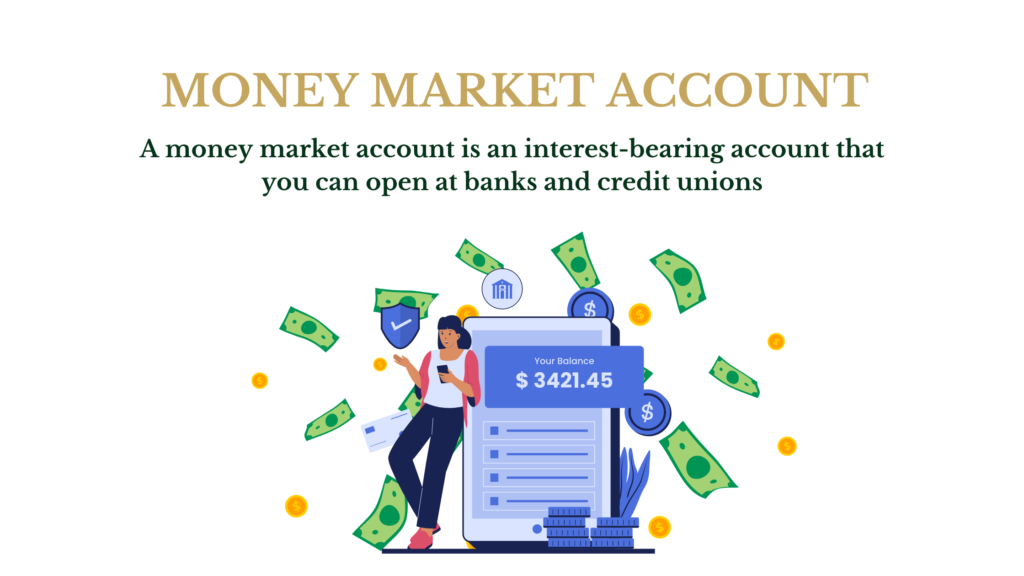
Money Market Accounts: Balancing Yield and Liquidity
Money market accounts (MMAs) combine features of both checking and savings accounts, offering higher interest rates while maintaining liquidity. These accounts are suitable for those who want to earn more on their deposits without sacrificing easy access to their money. Key features of money market accounts include:
- Higher Interest Rates: MMAs often offer better interest rates compared to traditional savings accounts.
- Liquidity: Account holders can write checks and use debit cards, although the number of transactions per month may be limited.
- Safety: Deposits in MMAs are typically insured by the FDIC up to the maximum limit allowed by law.
When considering a money market account, evaluate the interest rates, fees, and transaction limits to find the best option that suits your financial needs.
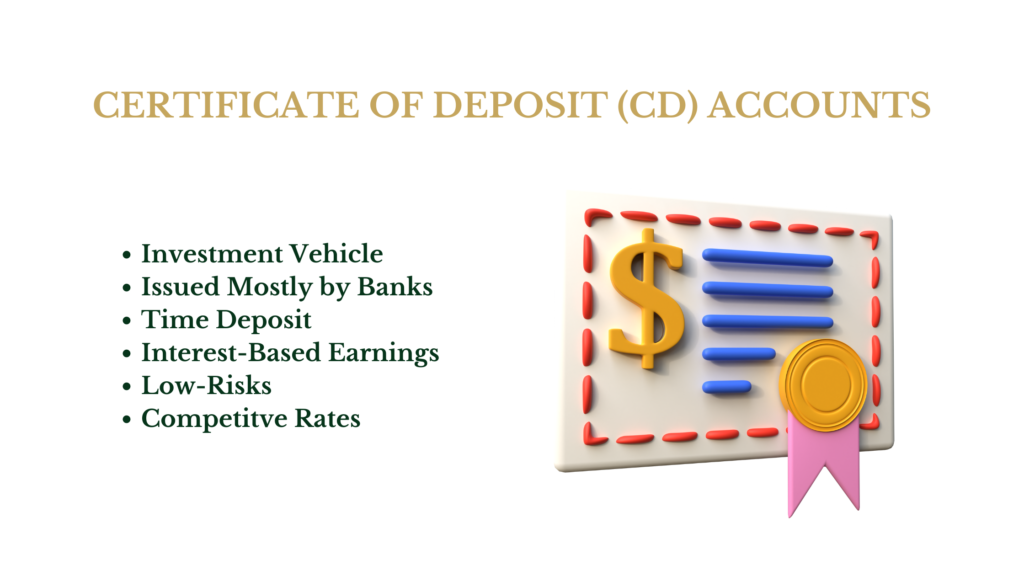
Certificate of Deposit (CD) Accounts: Locking in Returns
Certificate of Deposit (CD) accounts are time deposits that offer fixed interest rates over a specified period. CDs are ideal for individuals looking for a low-risk investment with predictable returns. Here’s what you need to know about CDs:
- Fixed Interest Rates: CDs provide a guaranteed return on investment, with interest rates locked in for the term of the deposit.
- Low Risk: CDs are considered low-risk investments since they are insured by the FDIC up to the maximum limit.
- Penalties for Early Withdrawal: Funds in a CD are not accessible until the term ends without incurring a penalty.
CDs are beneficial for those who can commit to leaving their money untouched for the duration of the term, which can range from a few months to several years.
Each specialty account serves a unique purpose and offers distinct benefits, making them valuable tools for targeted financial planning.
Conclusion
Understanding different types of bank accounts is essential for financial literacy and empowerment. By selecting the right accounts, you can effectively manage your finances, save for future goals, and achieve financial stability. As you continue to explore advanced banking topics, you’ll gain the knowledge and confidence needed to make informed financial decisions and take control of your financial future.
FAQs
Can I have multiple bank accounts?
Yes, you can have multiple bank accounts, including checking, savings, money market, and specialty accounts. Having different accounts can help you manage your finances more effectively and achieve specific financial goals.
What are the benefits of a high-yield savings account?
High-yield savings accounts offer higher interest rates compared to traditional savings accounts, allowing you to earn more on your deposits. They are often available through online banks with lower overhead costs.
Are money market accounts safe?
Yes, money market accounts are generally safe as they are typically insured by the FDIC up to the maximum limit allowed by law. They offer higher interest rates while maintaining liquidity.
What should I consider when choosing a CD account?
When choosing a CD account, consider the interest rate, term length, and penalties for early withdrawal. It's important to select a CD with a term that matches your savings goals and liquidity needs.
How do retirement accounts like IRAs and 401(k)s work?
Retirement accounts such as IRAs and 401(k)s help individuals save for retirement with tax advantages. Contributions to these accounts may be tax-deductible, and the funds grow tax-deferred until withdrawal. Employers often match contributions to 401(k) plans, providing additional savings.